Inside world’s most dangerous jungle — The Darién Gap: On assignment with eFind

At eFind, we work with a wide range of respected news partners. So when a request came in to cover the migrant journey through the Darién Gap, I figured someone with a press badge, satellite phone, and mosquito net-lined duffel would be on it by lunch.
Instead… they asked me.
My trip — flights, gear, questionable transportation — was 100% covered so I could return home and write a firsthand piece about what I saw, heard, and stepped in along the way. The idea was simple: document the truth about what migrants from South America endure on their way to the U.S. border.
The reality? Not one of our news partners volunteered to go. And looking back, it’s clear: they were the smartest people in the room.
So I packed my boots.
The Darién Gap is a narrow, 66-mile stretch of nearly untouched jungle between Colombia and Panama — a place so rugged and remote, it remains one of the only breaks in the Pan-American Highway.
It is also one of the world’s most dangerous migration routes.
Every year, hundreds of thousands of people attempt the crossing. Many don’t make it out. The jungle swallows them.
One of the most feared stretches is ominously known as the “Hill of Death.”
With no roads, migrants must brave steep, muddy paths, cross raging rivers, and survive days of walking through thick rainforest. Corpses are sometimes found along the trails, alongside the rusted wrecks of vehicles that tried — and failed — to pass through.
And if nature doesn’t get you, something else might.
Drug traffickers, armed bandits, and territorial militias roam the shadows. Entire groups are ambushed. Some are robbed, others worse.
In 2023 alone, more than half a million people tried to make the crossing — three times more than the year before. Conditions haven’t improved. If anything, they’ve gotten worse.
This was the path I had signed up to follow — and now, I was in it.
Day one: Mud, sweat, and gears
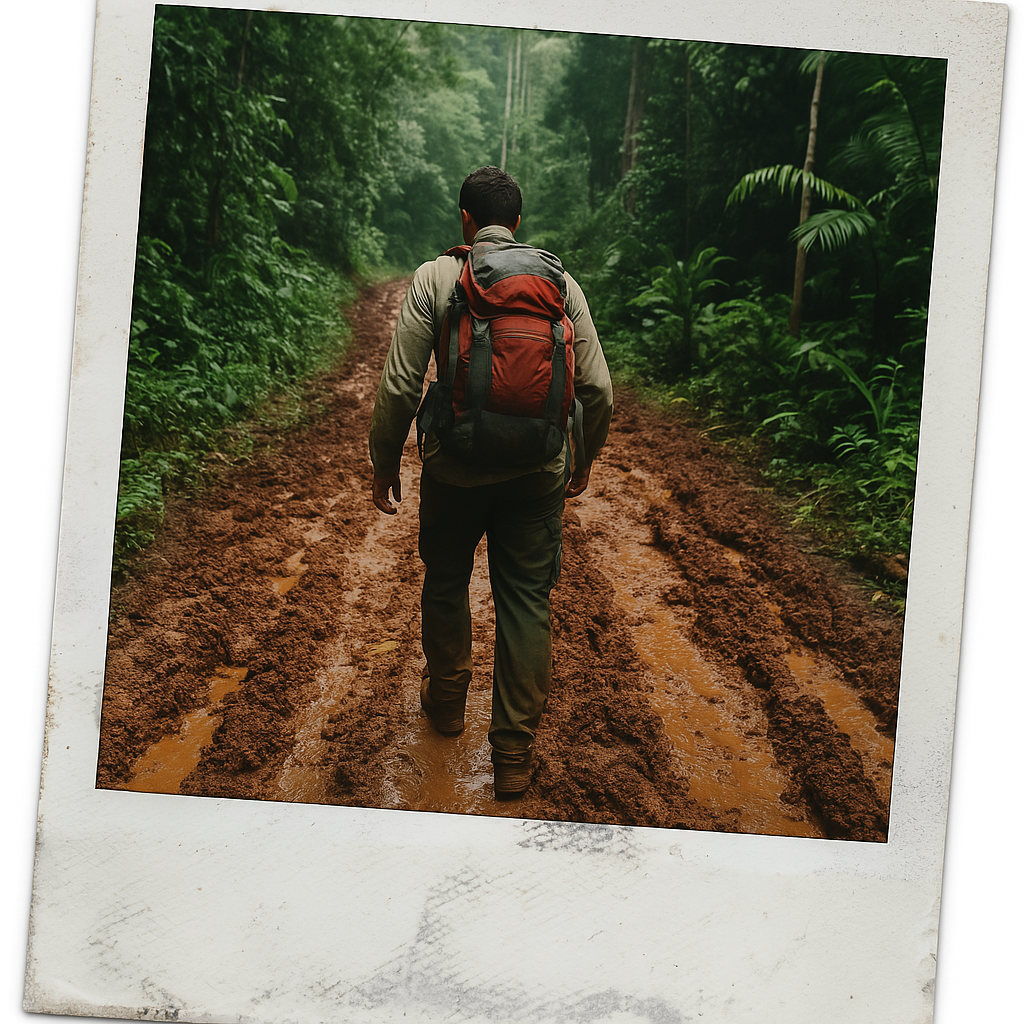
The air hit me like a punch — oppressive heat, humidity so thick you could drink it. Within minutes, I was drenched. Boots sank in red jungle mud. Ants bit through my socks. The only way forward was either on foot or in borrowed rides that barely ran. I hitched a ride in a beat-up army truck with no windshield and no brakes that worked below second gear. The driver, Toro, claimed he once fought off a jaguar with a stick.
I believed him.
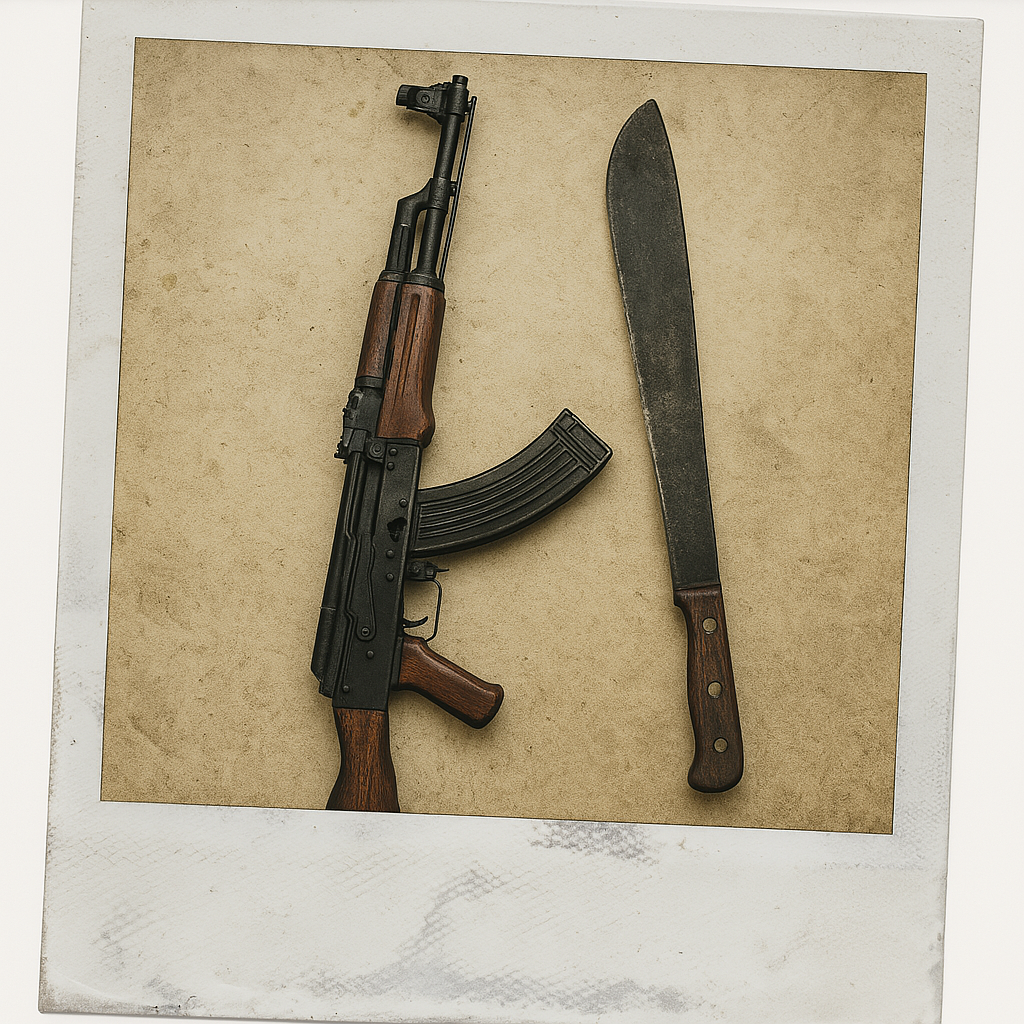
I asked him what we’d do if we saw one ahead and he just laughed and handed me a rusty machete.
Day three: Ghost rivers and gunpoint tolls
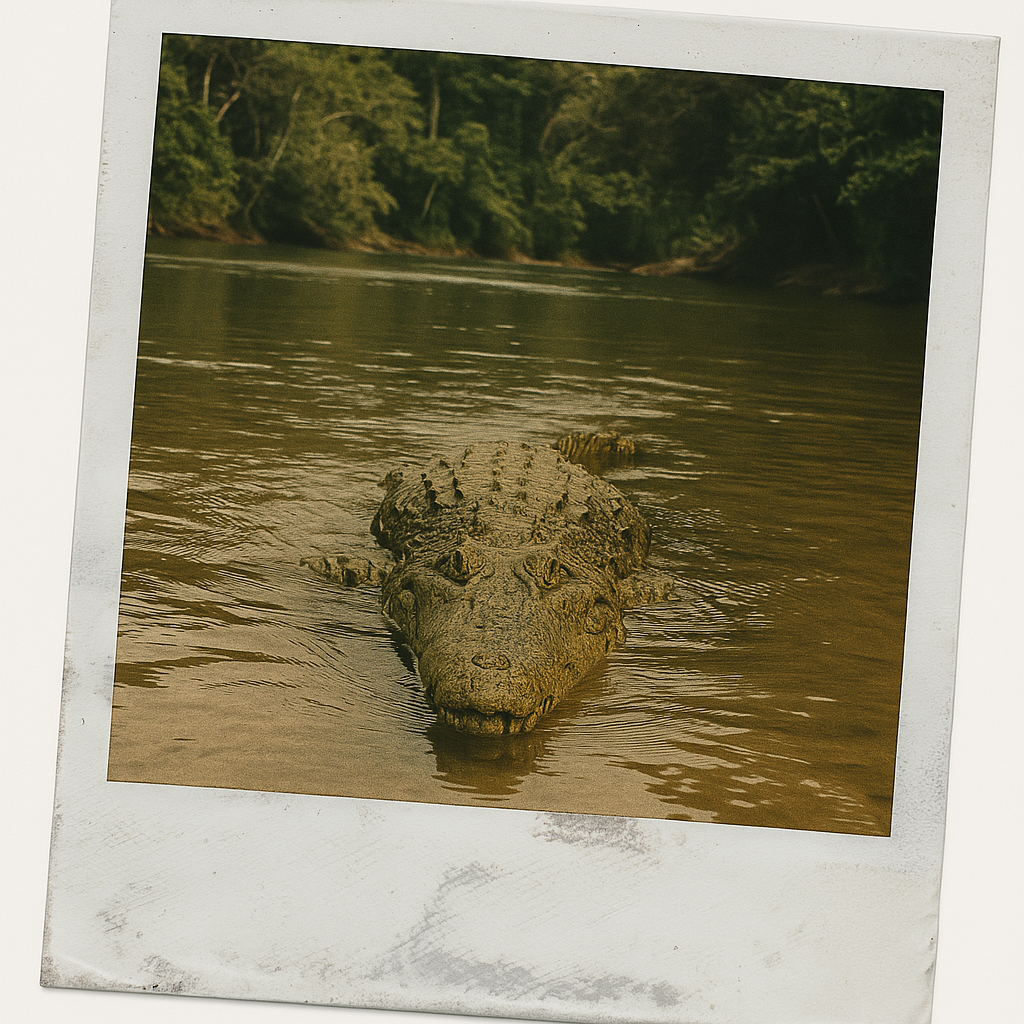
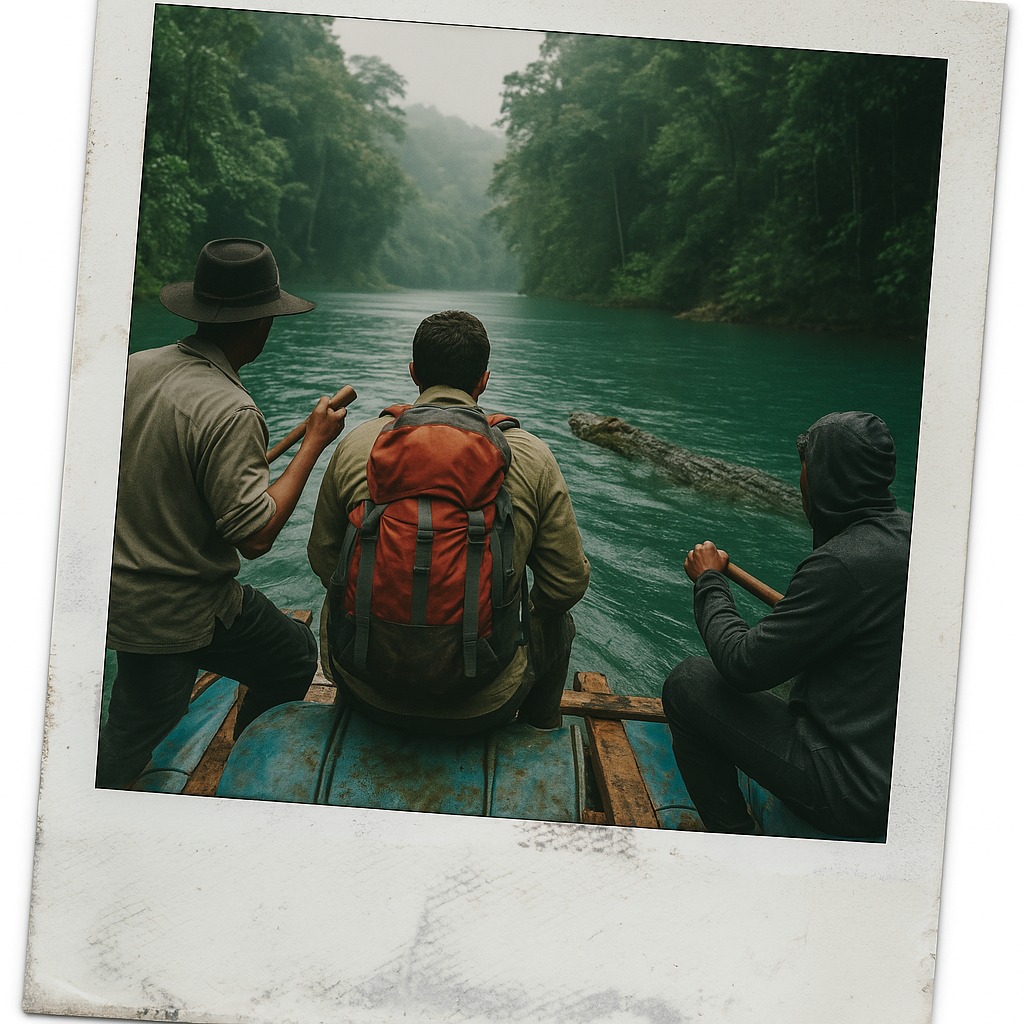
We floated down the Rio Turquesa on a raft made from barrels and regret. Halfway through, what looked like a log blinked.
Crocodile.
We paddled like our lives depended on it — because they did.
That night, we camped in a clearing where the mosquitoes were the size of dimes and the silence meant something was watching us. A group of migrants came through around midnight, terrified. One man whispered that earlier that day, they’d been held up by men with AK-47s and machetes. Cartel or paramilitary — no one knew. One woman had to hand over everything: cash, shoes, her wedding ring. The man next to her refused.
He never made it to camp.
Oh, and if the guys with AKs didn’t get you, there was always a backup plan:
Malaria? Check.
Dengue fever? Absolutely.
Venomous snakes? Plenty.
Jaguars? At least they’re stealthy.
Raging rivers? Yup.
Landslides? Daily.
Soul-crushing exhaustion? Complimentary with every mile.
Day five: Whispers of El Dorado
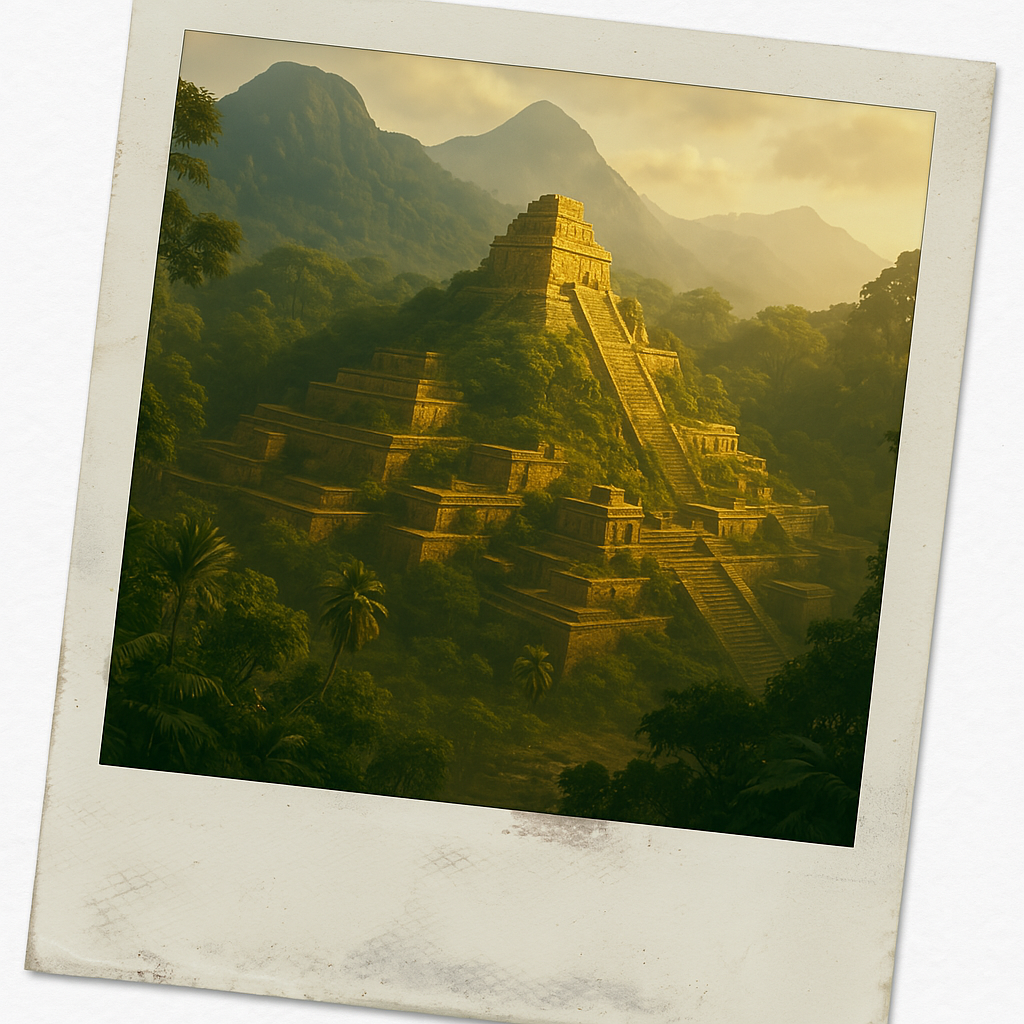
We climbed a narrow ridge where every step felt like it could be your last. In a jungle village called Alto Campo, an old man with one eye and no teeth said he could guide us to a cave where treasure hunters once searched for gold. I was skeptical… until he pulled a rusted Spanish coin from his pocket.
The cave was half-collapsed and filled with bats, but for a brief moment, I swear I saw something shimmer in the rock. We chipped away for an hour, only to find an old beer can — probably left by another idiot like me.
Still. It looked ancient.
Day seven: Whispers of El Dorado
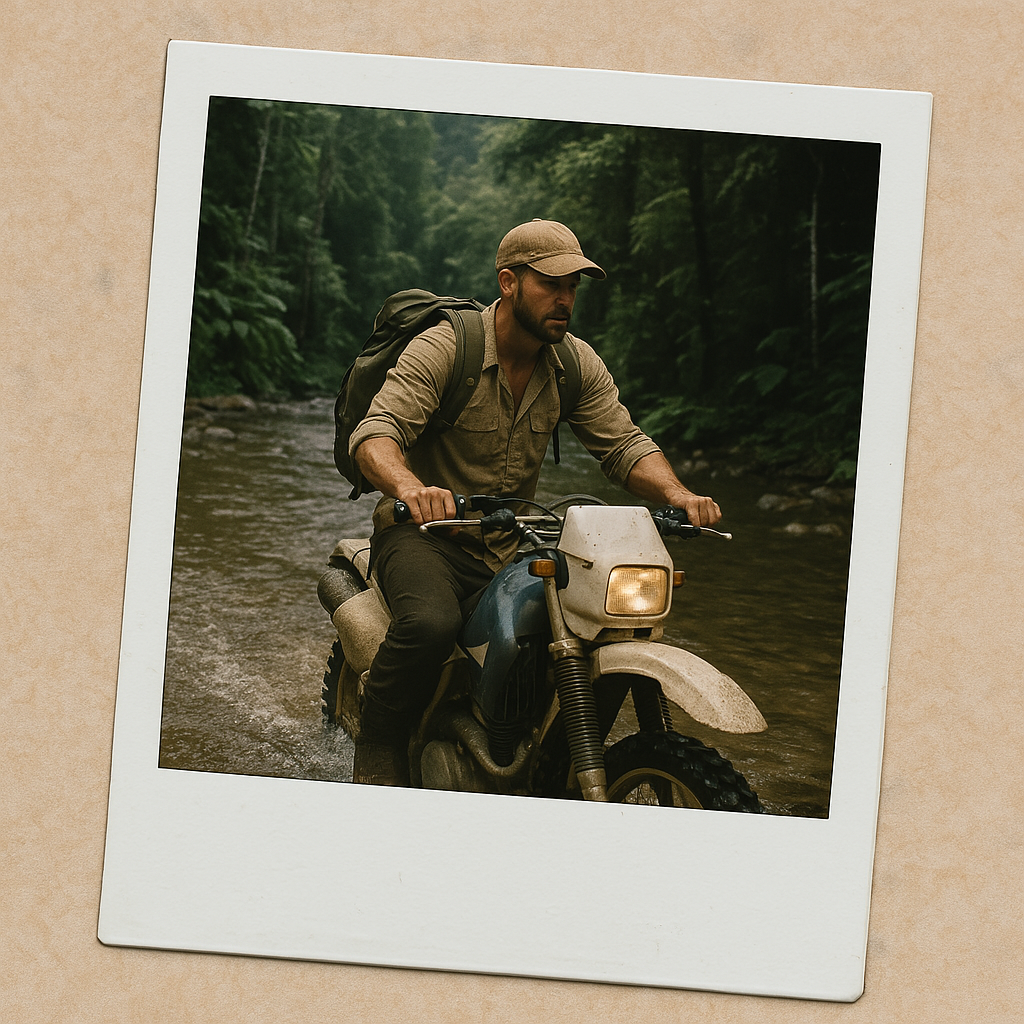
We rode motorcycles with snorkels across rivers chest-deep, boots full of leeches, backpacks soaked in rain. My drone was dead. My maps were destroyed. I hadn’t had signal in days, and I was starting to forget what a dry shirt felt like. But on that final hill, as the jungle finally gave way to a dusty clearing and the hint of a road, I felt something like victory.
For a moment, I understood why migrants risked everything to cross it. Not just for the U.S. — but because anything was better than the jungle behind them.
I’d done it. I’d crossed the Darién Gap.
I was alive.
And then — in a twist only the jungle gods could script — my phone buzzed. Signal. One tiny bar.
And of course, that’s the moment my 81-year-old mother called from California. Like the universe was testing my last remaining thread of sanity.
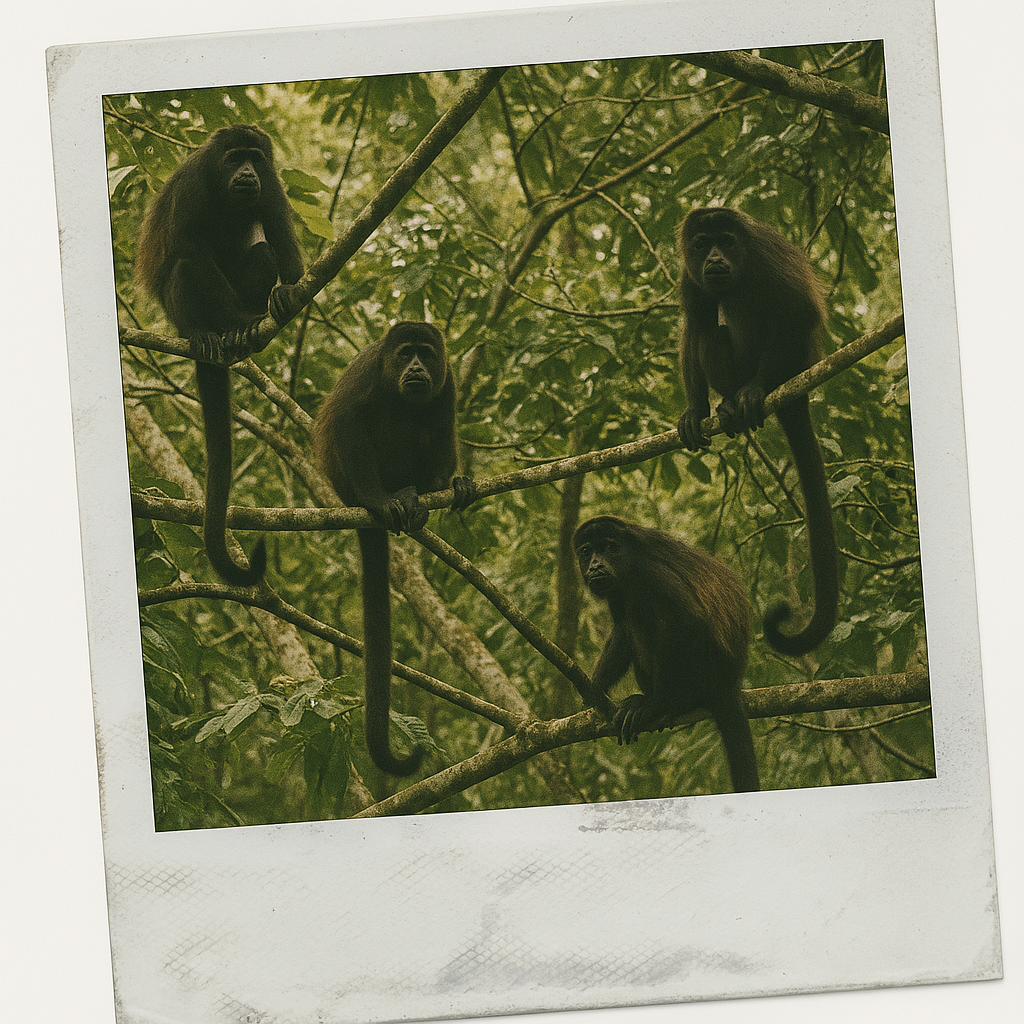
I picked up on the second ring and said, “How’s your morning?” while standing barefoot on a rock, drying my socks on a jungle boulder, still semi-drenched from a river crawl, half-convinced I’m being watched by something with fangs — in the thick jungle canopy.
My mother said, “Oh, not bad. Just went for a little walk this morning.”
I said, “That’s nice. I’m getting some fresh air also.” Yep. Fresh air and leeches…
Just another day at the remote office, I guess.
Oh, and by the way, I wrote this on April 1st.